

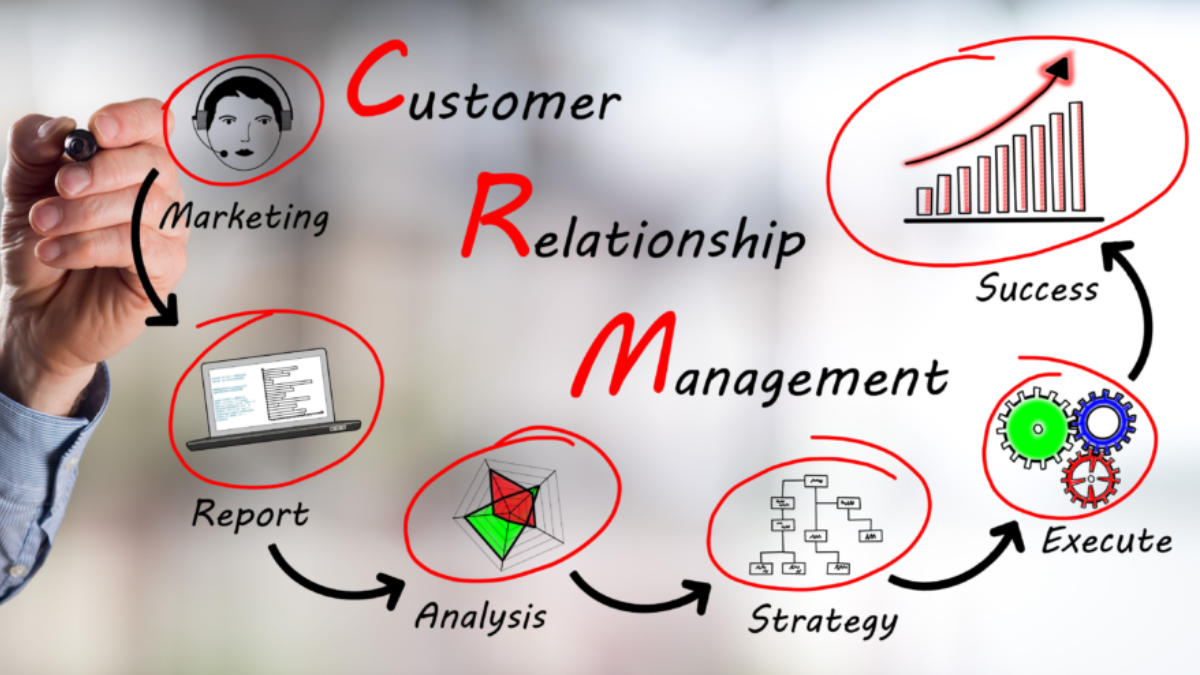
In the rapidly evolving business landscape, customer management strategies are constantly changing. With new technologies, shifting consumer expectations, and competitive markets, businesses need to stay updated to deliver exceptional customer experiences.
This article explores the top customer management trends to watch in 2025, tools, strategies, and best practices to stay ahead of the curve.
What is Customer Management?
Customer management refers to the strategic approach businesses use to manage interactions with current and potential customers. It focuses on improving customer satisfaction, loyalty, and retention.
Key Features
- Customer Relationship Management (CRM): Tools and practices for tracking interactions.
- Personalized Experiences: Tailoring services and offers to individual customer needs.
- Feedback Integration: Collecting and acting on customer insights for continuous improvement.
- Omnichannel Engagement: Seamless communication across platforms.
Top Customer Management Trends in 2025
1. AI-Powered Customer Service
- Artificial Intelligence (AI) is transforming customer support with chatbots, virtual assistants, and predictive analytics.
- Benefits include instant responses, 24/7 availability, and cost reduction.
- AI helps anticipate customer needs and personalize recommendations.
2. Hyper-Personalization
- Beyond basic personalization, hyper-personalization uses AI, data analytics, and customer behavior to deliver tailored experiences in real-time.
- Examples include personalized product suggestions, targeted offers, and dynamic content.
3. Omnichannel Customer Experience
- Customers expect seamless interaction across online, offline, mobile, and social channels.
- Omnichannel strategies ensure consistent messaging, quick issue resolution, and smooth transitions between channels.
4. Voice and Conversational Commerce
- Voice assistants and conversational AI are becoming integral to customer engagement.
- Customers can ask questions, place orders, and resolve issues using voice commands or messaging apps.
5. Customer Data Privacy and Security
- With stricter regulations like GDPR and CCPA, businesses must prioritize data protection.
- Transparent data policies and secure storage build trust and enhance loyalty.
6. Predictive Analytics and Customer Insights
- Predictive analytics enables businesses to anticipate customer behavior, preferences, and potential churn.
- Helps in strategic marketing, product recommendations, and proactive support.
7. Self-Service Solutions
- Increasingly, customers prefer self-service portals, knowledge bases, and FAQs.
- Reduces response time and empowers customers to resolve issues independently.
8. Social Media Customer Engagement
- Social media platforms are essential for customer feedback, brand promotion, and reputation management.
- Businesses leverage social listening tools to monitor sentiments and respond promptly.
9. Integration of CRM with AI and Automation
- Modern CRMs integrate AI, workflow automation, and analytics to streamline customer management.
- Helps sales, support, and marketing teams track leads, automate follow-ups, and improve efficiency.
10. Focus on Customer Experience (CX) Metrics
- Measuring Net Promoter Score (NPS), Customer Satisfaction (CSAT), and Customer Effort Score (CES) is crucial.
- Data-driven insights guide service improvements and loyalty programs.
Benefits of Adopting These Trends
1. Enhanced Customer Satisfaction
- Personalized and responsive interactions lead to higher satisfaction and retention.
2. Operational Efficiency
- Automation, AI, and predictive analytics reduce workload and streamline processes.
3. Improved Decision-Making
- Data-driven insights allow businesses to make informed strategic decisions.
4. Increased Customer Loyalty
- Consistent and positive experiences foster long-term loyalty and repeat business.
5. Competitive Advantage
- Early adoption of trends differentiates your business in a crowded market.
Challenges in Implementing Customer Management Trends
- Data Privacy Concerns: Compliance with regulations is mandatory.
- High Implementation Costs: Advanced AI and automation tools may require investment.
- Integration Complexity: Merging new tools with existing systems can be challenging.
- Employee Training: Staff must adapt to new technologies and workflows.
- Maintaining Personal Touch: Automation should enhance, not replace, human interaction.
Tips for Successful Customer Management in 2025
- Invest in AI and Automation Wisely: Start with high-impact areas like chatbots and predictive analytics.
- Focus on Data Security: Ensure customer information is protected and compliant with regulations.
- Leverage CRM Tools Effectively: Use modern CRM systems to track, analyze, and act on customer data.
- Train Employees Continuously: Equip your team to handle new technologies and customer expectations.
- Monitor Customer Feedback: Regularly analyze reviews, surveys, and social media insights.
- Balance Technology and Human Interaction: Maintain a personal touch while using automation.
Conclusion
Customer management in 2025 is shaped by AI, personalization, omnichannel engagement, and data-driven insights. Businesses that embrace these trends will be better positioned to enhance customer satisfaction, improve operational efficiency, and stay competitive.
By understanding emerging trends, leveraging advanced tools, and focusing on customer experience, companies can build long-lasting relationships and drive sustainable growth in the modern business landscape.