

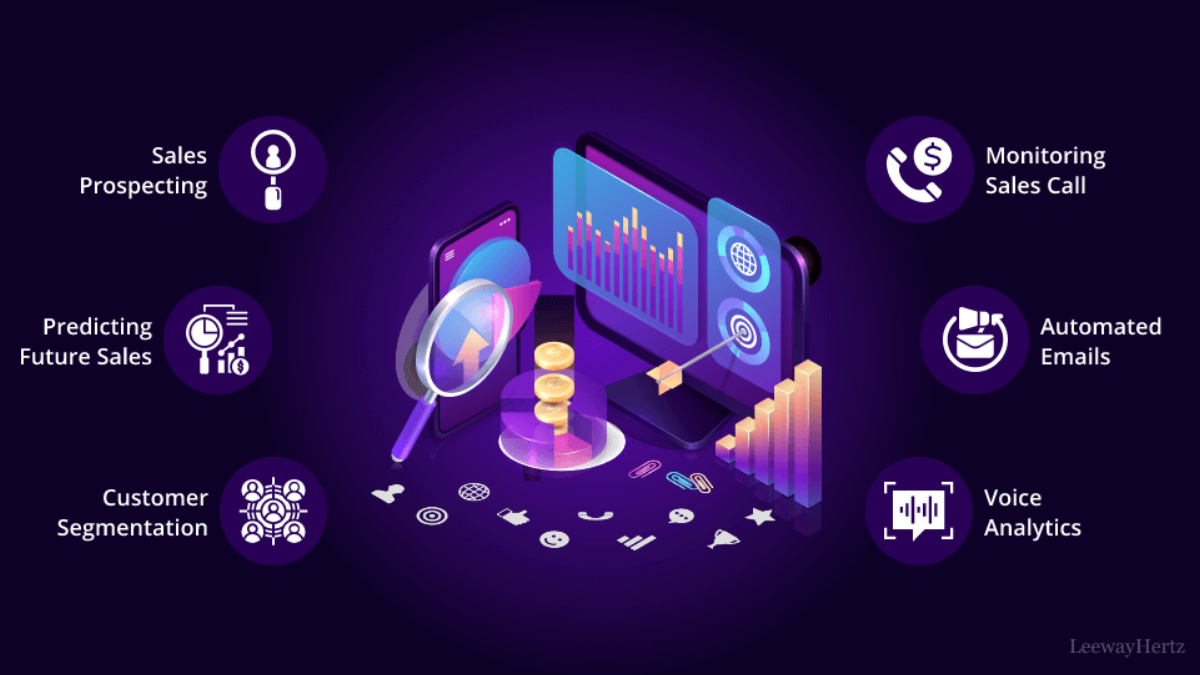
Artificial Intelligence (AI) is no longer just a futuristic concept — it has become the driving force behind modern business operations. In 2025, companies across industries are leveraging AI-powered technologies to improve customer experiences, enhance personalization, and streamline interactions.
From chatbots and predictive analytics to voice assistants and sentiment analysis, AI is transforming the way businesses understand, communicate with, and serve their customers. This article explores how AI is reshaping customer engagement in 2025, the key technologies behind it, and the benefits it brings to businesses worldwide.
Understanding AI-Driven Customer Engagement
AI-driven customer engagement refers to the use of machine learning, natural language processing (NLP), and automation to create intelligent, personalized interactions between businesses and customers.
Key Aspects of AI in Customer Engagement
- Personalization: AI analyzes customer data to deliver tailored messages and offers.
- Automation: Reduces manual tasks like responding to common queries.
- Predictive Insights: Anticipates customer behavior and preferences.
- Omnichannel Communication: Ensures seamless engagement across platforms.
- Real-Time Support: Provides instant assistance through chatbots and virtual agents.
How AI is Revolutionizing Customer Engagement in 2025
1. Personalized Experiences at Scale
AI helps companies analyze massive amounts of customer data to offer hyper-personalized recommendations. In 2025, personalization goes beyond using a customer’s name in an email — it includes understanding mood, purchase intent, and preferred communication channels.
Example:
E-commerce platforms use AI algorithms to recommend products based on past purchases, browsing habits, and social behavior, increasing conversion rates and customer satisfaction.
2. Predictive Analytics for Smarter Decision-Making
AI enables businesses to predict what customers want before they ask for it. Predictive analytics uses data patterns to anticipate needs, prevent churn, and optimize marketing strategies.
How It Works:
- Tracks customer journeys and predicts drop-off points.
- Suggests timely interventions like special discounts or reminders.
- Improves customer lifetime value (CLV) by fostering loyalty.
3. Chatbots and Virtual Assistants Redefining Support
AI-powered chatbots and virtual assistants have become indispensable in customer service. In 2025, advanced bots are capable of understanding emotions, resolving complex queries, and learning from interactions.
Benefits:
- 24/7 availability for customers.
- Reduced operational costs.
- Seamless handover from bot to human agent when needed.
Example:
Banks and telecom companies now use AI chatbots to process loan applications, resolve billing issues, and even detect fraud in real time.
4. Voice and Conversational AI
With the rise of voice search and smart assistants, businesses are optimizing for voice-based engagement. AI-driven conversational platforms allow customers to interact naturally, enhancing convenience and accessibility.
In Practice:
- Retailers use voice ordering for quick purchases.
- Healthcare apps use voice assistants to remind patients of medications.
- Hospitality companies integrate AI voice systems for reservations and concierge services.
5. Sentiment Analysis for Better Understanding
AI-driven sentiment analysis tools can analyze tone, language, and context to determine a customer’s emotions during interactions. This insight helps companies respond empathetically and proactively.
Benefits:
- Identifies dissatisfied customers early.
- Enhances brand reputation management.
- Improves marketing and customer support tone.
6. Omnichannel AI Integration
Customers engage with brands across multiple channels — social media, chat, email, and phone. AI ensures consistent and connected interactions across all these touchpoints.
Example:
A customer who contacts support via email and later chats on WhatsApp receives context-aware responses without repeating information.
7. AI-Powered Marketing Automation
AI-driven marketing tools automate campaigns, segment audiences, and deliver the right message at the right time. In 2025, marketers use AI to predict trends, create dynamic ads, and optimize campaigns in real-time.
Key Applications:
- Automated email campaigns.
- Predictive lead scoring.
- AI content generation.
8. Real-Time Data Analytics and Insights
AI processes real-time data to offer actionable insights for improving engagement strategies. It helps identify which products, services, or messages resonate most with audiences.
Use Cases:
- Retail: Real-time recommendation updates.
- Finance: Fraud detection and customer risk assessment.
- Travel: Dynamic pricing and booking insights.
9. Customer Journey Mapping with AI
AI helps visualize and optimize customer journeys by identifying pain points, behavioral triggers, and engagement gaps. Businesses use these insights to design smooth, frictionless experiences.
Example:
A SaaS company uses AI to track customer onboarding and sends automated tutorials when users face difficulties.
10. AI-Enhanced Loyalty Programs
AI personalizes loyalty programs based on purchase behavior, frequency, and interests, ensuring rewards are meaningful. This approach builds emotional connections and boosts retention rates.
Benefits of AI-Driven Customer Engagement
1. Enhanced Customer Satisfaction
Instant responses and personalized experiences increase satisfaction and trust.
2. Improved Efficiency
AI reduces manual workloads, enabling teams to focus on complex tasks.
3. Increased Sales and Conversions
Predictive analytics and recommendations lead to better upselling and cross-selling.
4. Better Customer Retention
By anticipating needs and offering proactive support, businesses improve retention rates.
5. Cost Reduction
AI-powered automation lowers support costs without compromising service quality.
Challenges and Ethical Considerations
While AI offers tremendous potential, it also raises challenges such as:
- Data Privacy Concerns: Managing and protecting customer data responsibly.
- Over-Automation: Risk of losing human empathy in customer interactions.
- Bias in AI Models: Ensuring fairness in automated decisions.
- Transparency: Informing customers when they are interacting with AI systems.
The Future of AI in Customer Engagement
By 2025 and beyond, AI will become more intuitive, emotion-aware, and autonomous. Businesses will leverage AI not just to serve customers, but to predict needs, strengthen relationships, and enhance brand loyalty.
Emerging trends include:
- AI-driven emotional intelligence systems.
- Advanced personalization engines.
- Integration with AR/VR for immersive experiences.
- Self-learning customer engagement platforms.
Conclusion
In 2025, AI is revolutionizing customer engagement by combining data, automation, and human-like intelligence. Companies that embrace AI are seeing higher customer satisfaction, better efficiency, and increased revenue.
However, the key lies in maintaining a balance between automation and human touch, ensuring that AI complements — not replaces — genuine connection.
As businesses continue to evolve, AI-powered customer engagement will be the cornerstone of successful, customer-centric growth.