

In today’s digital era, businesses are increasingly relying on cloud-based tools for customer management. These tools help companies streamline operations, enhance customer experience, and improve overall efficiency. By leveraging cloud technology, organizations can manage customer data, automate processes, and provide personalized services more effectively.
This guide explores the benefits of cloud-based tools for modern customer management, key features, implementation strategies, and best practices.
What Are Cloud-Based Customer Management Tools?
Cloud-based customer management tools are software solutions hosted on remote servers that allow businesses to store, manage, and analyze customer data online. Unlike traditional on-premise systems, cloud solutions are accessible from anywhere, scalable, and cost-effective.
Key Features
- Customer Relationship Management (CRM): Centralizes customer information and interactions.
- Automation: Streamlines tasks like follow-ups, email campaigns, and reminders.
- Analytics: Provides insights into customer behavior and trends.
- Collaboration: Enables teams to work together in real time.
- Integration: Connects with other business tools such as marketing platforms, ERP, and e-commerce systems.
Benefits of Cloud-Based Tools for Customer Management
1. Accessibility and Flexibility
- Cloud tools can be accessed from any device with internet connectivity.
- Sales, support, and marketing teams can work remotely or across multiple locations without disruption.
2. Cost-Effectiveness
- No need for expensive hardware or on-premise servers.
- Subscription-based pricing models allow businesses to pay for what they use, reducing upfront costs.
3. Real-Time Data and Analytics
- Cloud CRMs provide real-time updates on customer interactions, sales performance, and service tickets.
- Enables quick decision-making and proactive customer engagement.
4. Enhanced Customer Experience
- Automation tools allow personalized communication, timely responses, and proactive support.
- Ensures consistent and seamless experiences across multiple channels.
5. Scalability
- Cloud solutions can grow with your business, easily adding users or storage as needed.
- Flexible plans accommodate seasonal fluctuations and expansion without major upgrades.
6. Improved Collaboration
- Teams can share information, track customer interactions, and coordinate efforts in real time.
- Reduces communication gaps and improves team efficiency.
7. Enhanced Security and Compliance
- Leading cloud providers offer advanced security protocols, encryption, and regular backups.
- Helps businesses comply with data protection regulations like GDPR or CCPA.
8. Integration with Other Business Tools
- Cloud-based systems integrate with marketing automation, e-commerce platforms, accounting software, and social media tools.
- Provides a 360-degree view of customers for informed decision-making.
9. Automatic Updates and Maintenance
- Cloud vendors handle software updates, bug fixes, and system maintenance automatically.
- Reduces IT workload and ensures the system stays current with new features.
10. Disaster Recovery and Business Continuity
- Cloud storage ensures data is backed up and recoverable in case of hardware failure or disasters.
- Minimizes operational disruptions and protects critical customer information.
How Cloud Tools Improve Sales and Retention
- Lead Management: Tracks prospects and prioritizes high-value leads for sales teams.
- Customer Insights: Provides detailed data on preferences, buying behavior, and engagement.
- Personalized Marketing: Sends targeted campaigns based on analytics, improving conversion rates.
- Retention Strategies: Identifies at-risk customers and automates retention campaigns.
- Faster Response Time: Enables timely support and resolution of customer issues.
Challenges and Considerations
1. Data Privacy Concerns
- Businesses must ensure secure storage and compliance with relevant regulations.
2. Dependence on Internet Connectivity
- Cloud access requires a stable internet connection, which may be a limitation in some areas.
3. Vendor Reliability
- Choosing reliable providers with good uptime and support is crucial.
4. Integration Complexity
- Proper planning is needed to ensure seamless integration with existing systems.
Tips for Implementing Cloud-Based Customer Management Tools
- Assess Your Business Needs: Identify the most critical areas for CRM and automation.
- Choose Scalable Solutions: Pick tools that grow with your business.
- Train Employees Effectively: Ensure your team knows how to use all features efficiently.
- Monitor KPIs: Track metrics like response time, customer satisfaction, and conversion rates.
- Regularly Review Data: Maintain clean, updated, and accurate customer records.
- Leverage Automation: Use workflows, reminders, and alerts to reduce manual tasks.
Conclusion
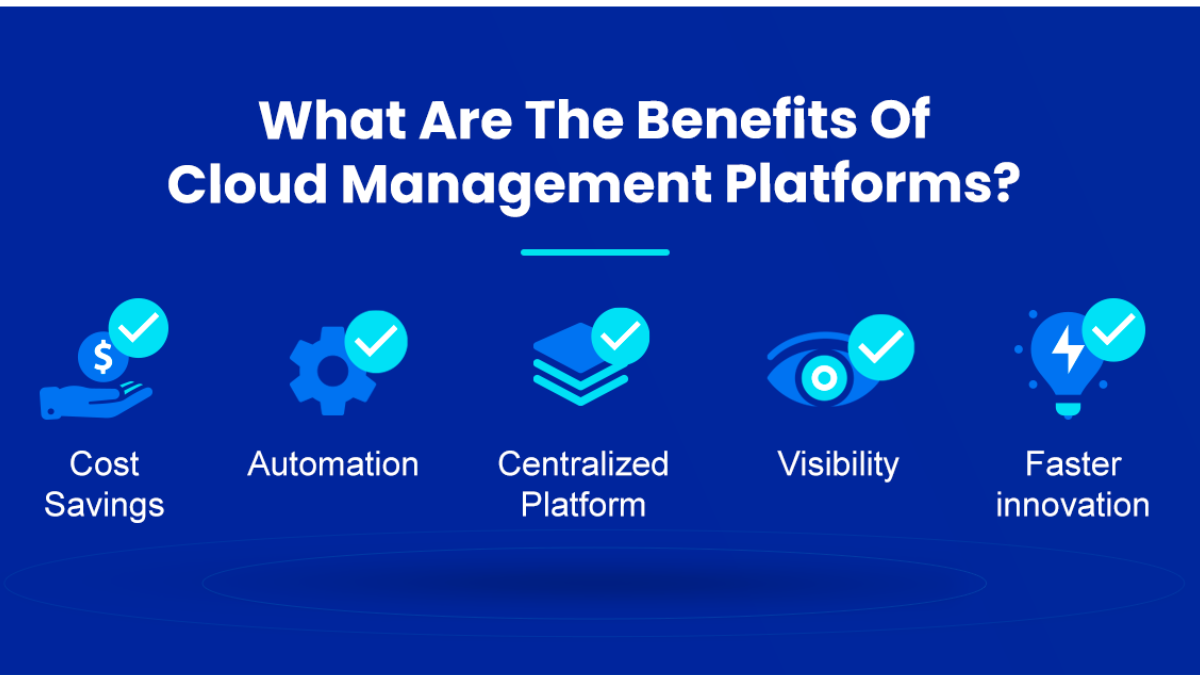
Cloud-based tools have become essential for modern customer management, offering benefits such as cost savings, scalability, real-time analytics, and enhanced customer experience. By adopting these solutions, businesses can streamline processes, improve engagement, and retain loyal customers in a competitive market.
The future of customer management lies in cloud-based solutions that integrate AI, automation, and analytics, empowering businesses to make smarter decisions, boost sales, and foster long-term customer loyalty.